Improving Warm Up for BJJ Athletes
Jun 29, 2021By Craig Ansbach
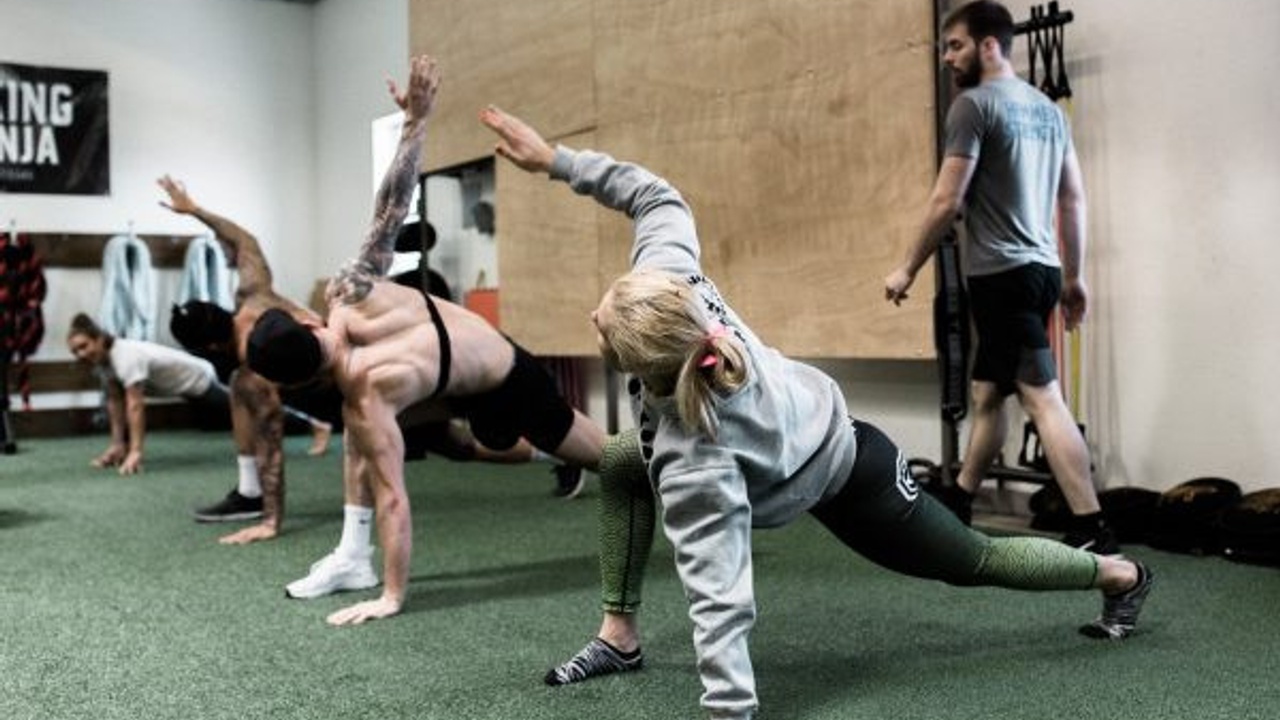
When you go to any Jiu-Jitsu school across the country, most sessions start with a warm up. When we think of a traditional BJJ warm up, we often think about running a few laps around the mats, static stretching, BJJ specific movements and a few calisthenics. While this old school method of warming up allows increases blood flow and heart rate, it does little to prepare you for the demands of a BJJ practice or strength and conditioning session. Because of this traditional thought process, I like to use the term “movement preparation” in place of warm ups to signify that we are preparing the body to move with purpose rather than just breaking a sweat before training.
Unlike a traditional warm up, the movement prep session is a systematic process that prepares the body for the upcoming training session.
If implemented correctly, movement prep is a powerful tool that will achieve multiple training goals in just a few minutes.
Improving Your Warm Up for BJJ
The main goals of any movement prep session include:
- Prime the body (tissue and nervous system) for the demands of practice
- Actively move joints to increase range of motion
- Increase motor recruitment in key muscle groups
- Work on any movement deficiencies (stability, mobility, motor control etc.)
Structuring the Movement Preparation Session:
1. Soft Tissue/Self Myofascial Release (5 minutes)
Goal: Lengthen muscle tissue, increase tissue temperature, increase blood flow, increase range of motion in tissue mobility
Methods: Foam roll targeting quads, adductors, IT band, glutes/piriformis, lats
2. Mobility (3-5 minutes)
Goal: Create active movement throughout the joint to increase range of motion
Methods: 90/90 hip flexor series
3. Activation (2-3 minutes)
Goal: Maximize motor unit recruitment and motor patterns throughout body
Methods: Hip Bridge Series (hip bridge hip bridge march, cook hip lift) Quadruped Series (fire hydrants, scorpions, circles, bird dogs)
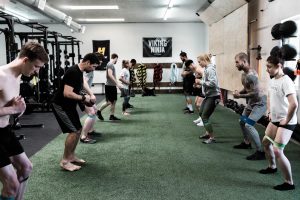
4. Dynamic Flexibility (3-5 minutes)
Goal: Integrate movement and increase range of motion through active stretching
Methods:Worlds greatest stretch, single leg RDL, inchworm
5. Neural Activation (1-3 minutes)
Goal: Activate and prime the nervous system for activity
Methods: Base pogo drills, marching/skipping patterns, ladder drills
 Programming Considerations for Movement Preparation:
Once the basic understanding of why we use movement prep and how to structure it, then we can begin to program the session for our athletes. Like with all training, there are many methods available for coaches and athletes to chose from when programming. While the methods are important, it is the understanding of the the concepts that should drive exercise selection. The movement preparation is the first part of any training session so allow it to set the tone for the rest of the training session. To do so, consider these final considerations before programming your next training session:
- Use the movement prep as a daily assessment of your athletes to gage their readiness
- Be able to adapt movement prep based on athlete readiness
- Take into account an athlete’s physical abilities and deficiencies
- Understand the training goals for the session and program as a whole
- Be aware of the intensity and frequency of different BJJ practices throughout the week
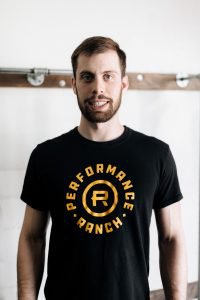 Coach Craig is a strength and conditioning coach at the Performance Ranch in Albuquerque NM. Craig earned his bachelor’s degree in Kinesiology from New Mexico State University in 2014 and his masters in Physical Education/Sports Administration from the University of New Mexico in 2017. He is also a Certified Strength and Conditioning Specialist (C.S.C.S) from the National Strength and Conditioning Association. He is a brown belt in Brazilian Jiu-Jitsu and has competed in tournaments across the country. Craig has coached numerous combat athletes including BJJ black belt world champions and UFC athletes.