Bottom-Up Kettlebell Training: The Fighter’s Secret Weapon
Sep 10, 2023If you’ve ever seen someone in the gym gripping a kettlebell by its handle with the weight side up, chances are they were doing a 'bottom-up' exercise. At first glance, it might seem like a quirky variation just to show off. But trust me, as someone who's spent more time in the gym than I'd like to admit, there’s more to it than meets the eye.
What's the Big Deal with 'Bottom-Up' Kettlebell Exercises?
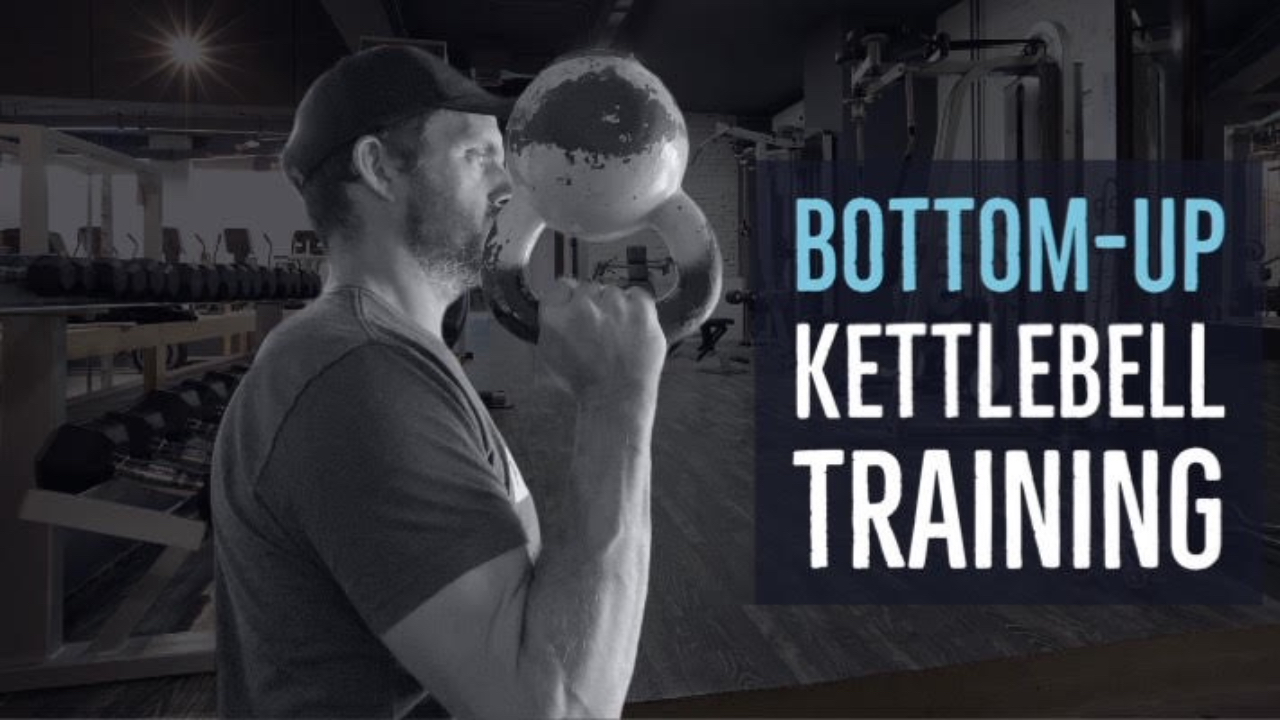
Before we dive deep, let's understand what a bottom-up exercise is. Imagine holding a kettlebell by the handle, but instead of letting the weighty part hang down as usual, you keep it up, challenging gravity and your muscles.
Here’s Why Fighters Should Care:
-
Enhanced Grip Strength
- Ever had that moment in the ring where a stronger grip could’ve made all the difference? Bottom-up exercises force your hand and forearm muscles to work overtime, leading to a killer grip!
-
Improved Balance and Stability
- By keeping the kettlebell's heavy side up, you challenge your body's stability and proprioception (that’s a fancy word for the sense of the relative position of one's own parts of the body). This helps improve balance, which can be crucial during those intense fights.
-
Shoulder and Core Activation
- Your shoulders and core aren’t just bystanders in this exercise; they're at the forefront. This means stronger punches, better defense, and enhanced endurance in the ring.
How to Get Started
Starting out with bottom-up kettlebell exercises can be challenging, but oh-so-rewarding. Here’s a simple progression to ease you in:
-
Bottom-Up Kettlebell Hold
- Start by simply holding the kettlebell in the bottom-up position for as long as you can. Aim for sets of 30 seconds and build from there.
-
Bottom-Up Kettlebell Press
- Once you've mastered the hold, try pressing the kettlebell overhead while maintaining that bottom-up grip.
-
Bottom-Up Kettlebell Squat
- Add a full-body challenge by incorporating squats with the bottom-up hold.
-
Bottom-Up Kettlebell Carry
- Walk with the kettlebell held in the bottom-up position. This will challenge your grip, balance, and total body stability all at once!
Tips and Tricks
- Start with a Lighter Weight: Bottom-up exercises are tougher than they look. It's always a good idea to start light and progress from there.
- Focus on Your Form: Ensure you’re keeping a tight grip, engaging your core, and maintaining a straight wrist throughout.
- Consistency is Key: Like any exercise, the more you practice, the better you get. So be consistent and push yourself a little more each time.
The Bottom Line (pun intended!)
The bottom-up kettlebell exercises aren’t just for show-offs. They're a game-changer for fighters looking to improve grip, stability, and overall strength. So, the next time you see someone at the gym going bottom-up with their kettlebell, maybe it’s time you gave it a shot too. After all, who doesn’t want that extra edge in the ring?
Stay strong, and keep fighting the good fight! 🥊💪