5 Lower Body Stretches for BJJ
Jun 28, 2021By Corey Beasley
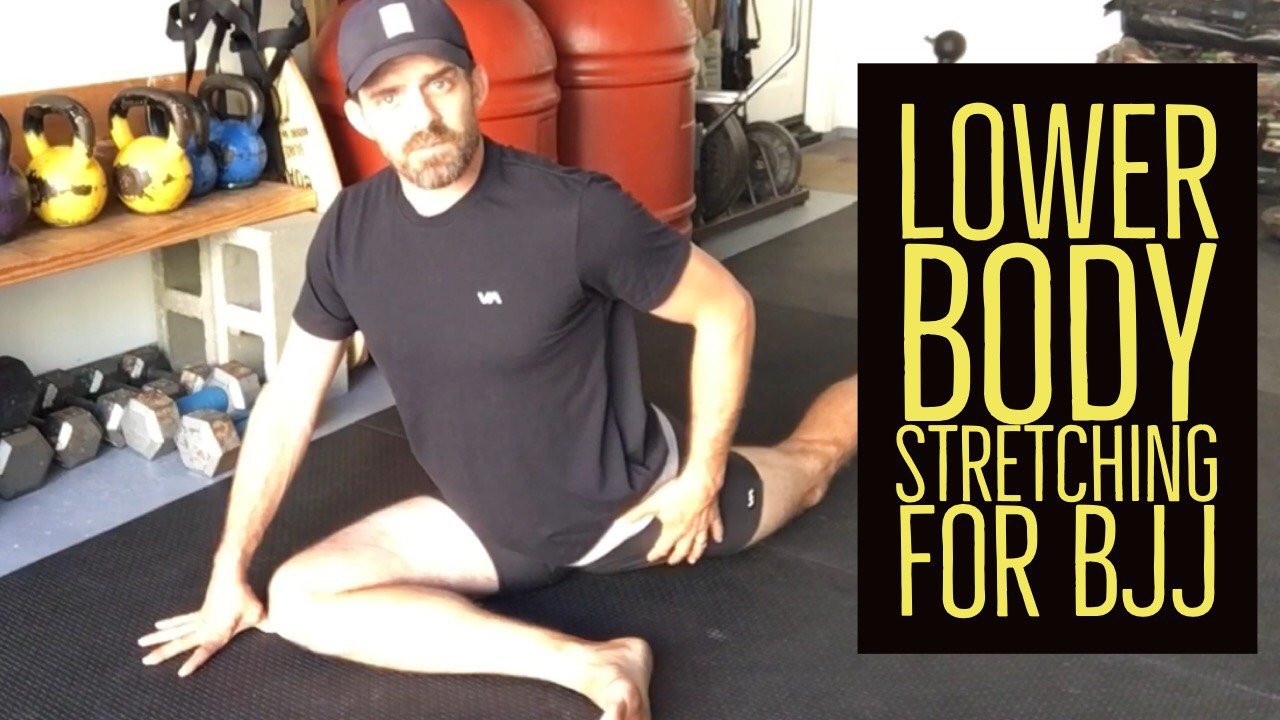
Stretching after training is often overlooked, but is a great way to improve flexibility and start the recovery process. In today's video we are going to showcase a handful of lower body stretches for bjj that you can use at the end of each session.
5 Lower Body Stretches for BJJ
Marching Calf Stretch
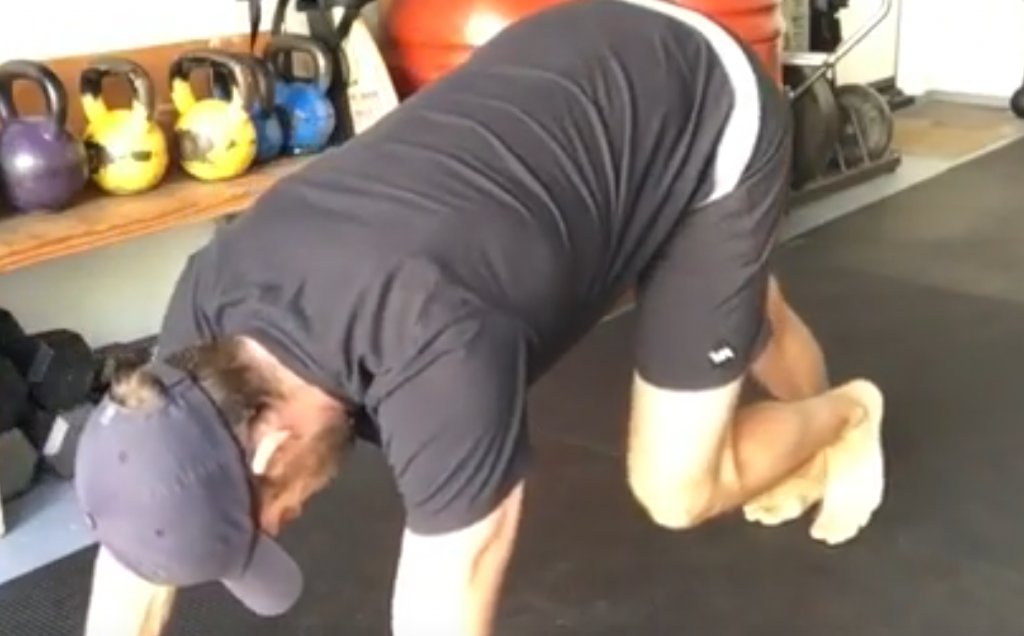
Similar to a down dog pose in yoga, you'll have your hands on the floor, arms straight, while driving your hips high. Then simply drive one heel into the floor and hold for 30 sec to a minute.
Lying Quad Stretch
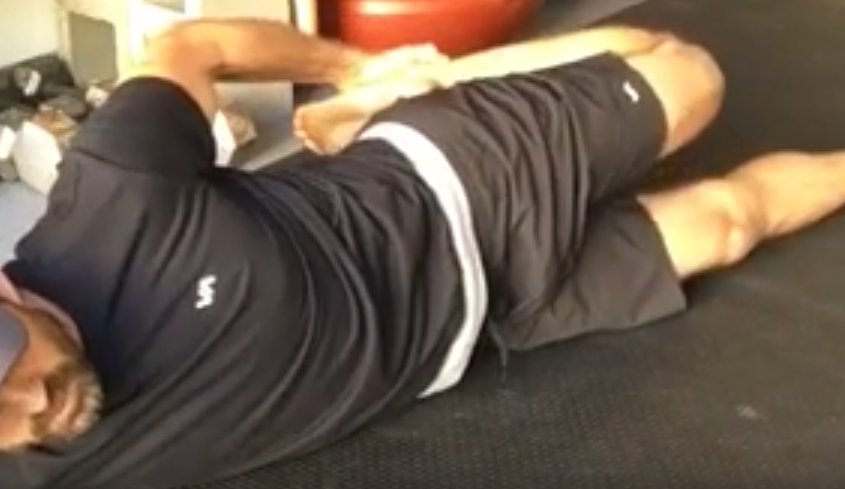
Lying on your side, body straight and pull one foot toward your butt. Keep the knee straight and hold for 30 sec to a minute.
2 Way Hip Stretch
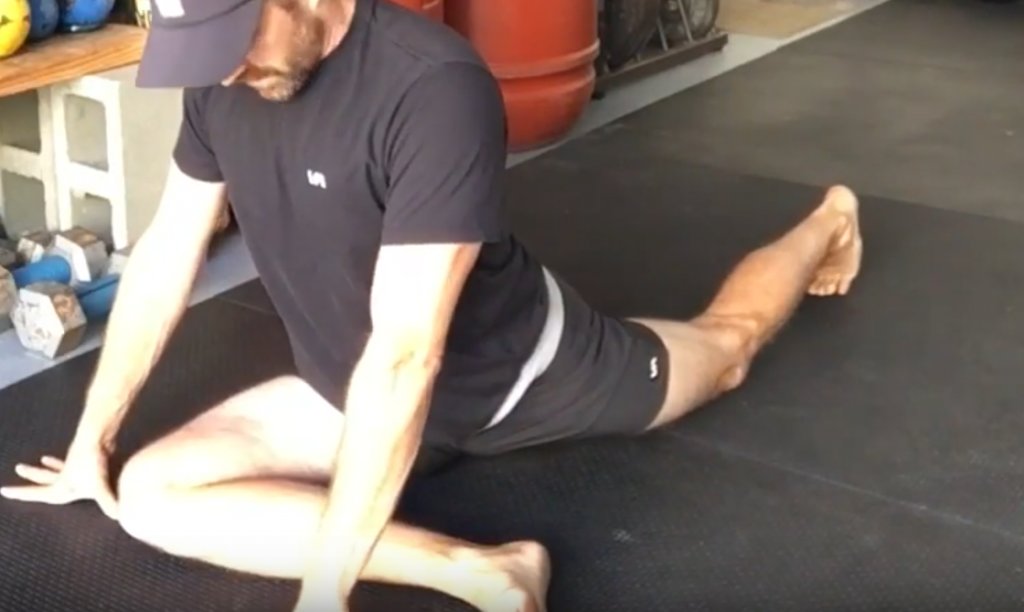
Pigeon pose stretch with the front leg at 90 degrees and the back leg extended behind. Maintain posture and lean forward to increase the stretch.
Quadruped Groin Stretch
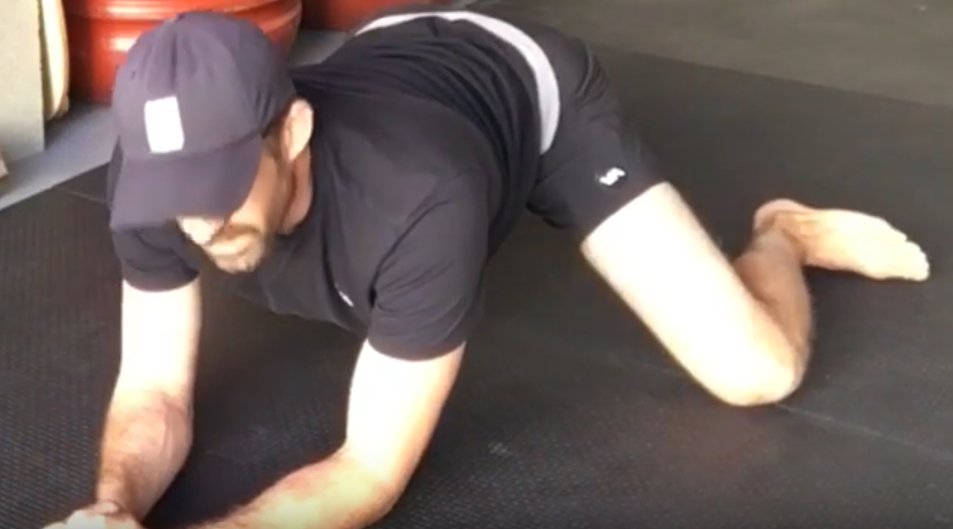
On all fours, knees wide, toes out. Gently push the hips back toward the feet to increase the stretch.
Supine Hamstring Stretch
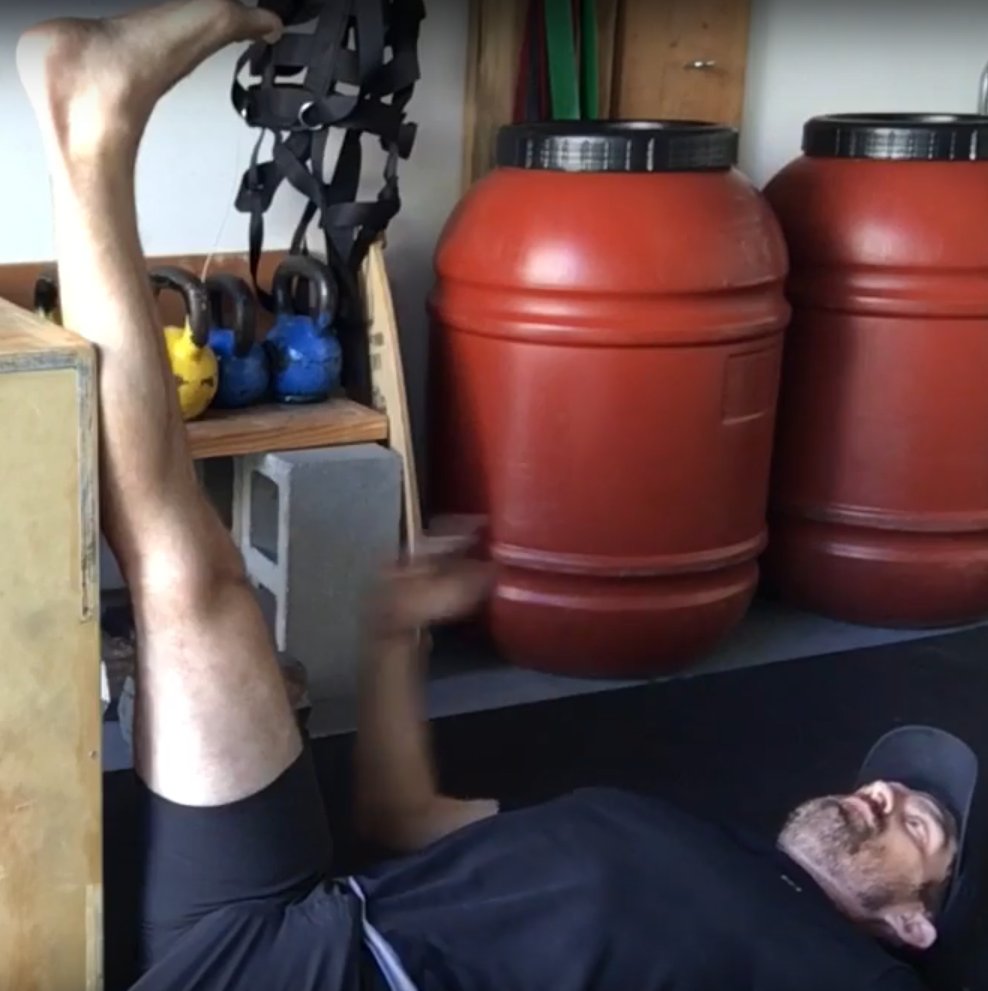
You can perform this stretch in a doorway, on a squat rack or similar. Put one leg up on the wall, straight and bring the hips as close to the wall as possible, while keeping both legs straight.
Stretching for a few minutes after your training is a great way to cool down, reflect on your training session and start the recovery process. Using these stretches consistently will help improve flexibility, which is a valuable commodity on the mat. Give these stretches a try and let us know how it goes!
Corey Beasley has been helping people get in shape and compete at their best for over 20 years. He has worked in small training studios, large corporate gyms, traveled to people’s homes, opened a couple gyms, taught certification courses/workshops and is the founder of Fight Camp Conditioning. Corey has experience working with wrestlers, jiu jitsu players, mma fighters and other combat athletes…from kids to aging adults.
Click Here to Check Out ALL of Our Training Programs